
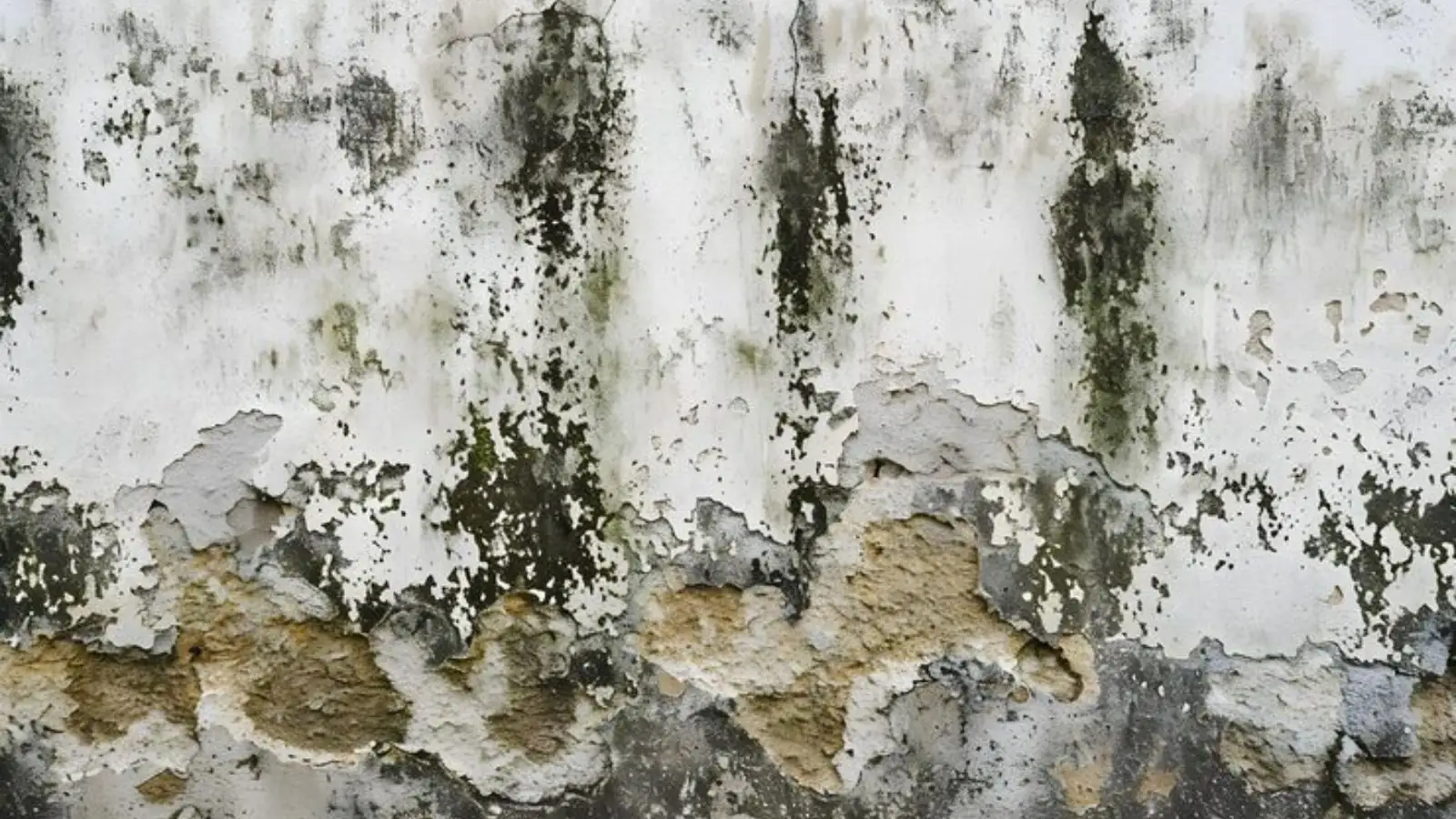
Mold on walls in Mission Hills, CA is a surface sign of a deeper moisture issue. The spots on the paint are rarely the whole story, because growth often extends into the drywall, the paper facing and the cavity behind. Understanding why it appeared tells you whether you can wipe it off or need to open the wall.
Walls become damp for a few common reasons, and each leaves different clues. Learning those clues helps you describe the problem to a technician, and helps you avoid cleaning the wrong thing. This guide walks through causes, what to check and what the fixes look like.
Why mold shows up on walls
Condensation on cool walls
Exterior walls and corners can be cooler than the room, so humid air leaves water on them, especially behind furniture.
Plumbing leaks inside the wall
A slow supply or drain leak wets the cavity, and spots appear on the wall surface days or weeks later.
Roof or window leaks
Water entering at the top of a wall runs down inside it and shows at baseboard level.
Bathroom humidity
Showers without a working fan push moisture into walls and ceilings.
How to tell what is causing it
Look at the pattern. Spots in a corner of a bedroom on an exterior wall suggest condensation, while a stain below a bathroom suggests a plumbing leak. A stain that grows after rain points to a roof or window problem. A moisture meter can confirm whether the wall is wet, and a thermal camera can show the wet area.
Touch matters. Soft, crumbly or bubbling drywall means the moisture has been there a while and the board may need replacing. Paint that peels in sheets suggests moisture pushing from behind.
| What you see | Likely cause | Next step |
|---|---|---|
| Spots in corners and behind furniture | Condensation and poor airflow | Improve airflow, lower humidity, clean hard surfaces |
| Stain below a bathroom or kitchen | Plumbing leak | Shut water off, call a plumber, dry the wall |
| Stain that grows after rain | Roof, window or siding leak | Call a roofer or contractor, then dry and repair |
| Bubbled or soft drywall | Long-term moisture | Cut out wet board, dry the cavity |
| Musty smell, no visible spots | Hidden moisture | Moisture inspection |
Mold on a wall and not sure why?
Call the line. A technician can explain how an inspection finds what is behind the surface.
Cleaning versus replacing
On painted drywall, mold on the surface sometimes cleans off, but growth in the paper or gypsum usually means the board should be replaced. EPA guidance says porous materials that are moldy may have to be thrown away, and painting over mold is not a fix. Hard surfaces like tile can be scrubbed with detergent and water.
If the area is larger than about 10 square feet, a professional should assess it. Cutting out the wall, drying the cavity, replacing the board and refinishing is a normal sequence. The rebuild falls under water damage repair, and the removal falls under mold remediation.
After the wall is fixed
Keep humidity in check with fans, a hygrometer and some space between furniture and exterior walls. Repaint with a stain-blocking primer only after the wall is dry and the cause is fixed. Check the area again after the next heavy rain or a long period of heavy shower use.
A ten-minute wall check you can do yourself
- Look at the wall in daylight and with a flashlight held at a low angle.
- Press gently on the stained area and note any softness.
- Check above and below the spot for staining, bubbling or a color change.
- Look at the nearest plumbing, window and roof line for leaks.
- Smell the area and the nearby closet or cabinet.
These checks do not replace a moisture meter, but they help you describe the problem accurately. A technician can use your notes to decide where to measure first. If you find soft drywall or a stain that grows, stop cleaning and get it inspected.
What to document for a landlord or insurer
Take dated photos of the wall from a few feet back and from close up, and photograph any plumbing or roof area nearby. Write down when you noticed it and when you last saw it clean. If you rent, send the landlord a dated message and keep a copy.
Policies differ on mold, and many cover it only when it follows a sudden and accidental loss. Ask your insurer what documentation is needed, and ask before you start tearing out materials. Your photos and notes are the strongest evidence you have.
Walls that look like mold but are not
Not every dark mark on a wall is mold. Soot from candles, dust trapped behind furniture, and dirt that gathers on cold exterior corners can look similar. A quick test is to wipe a hidden spot with a damp cloth. Dirt and soot usually lift off, while mold tends to smear or leave a stain.
Color alone tells you little, so do not rely on it. A musty smell, a soft wall or a stain tied to a nearby leak points toward moisture, and moisture is what matters most.
Wall mold often sits behind furniture, near window corners or above a bathroom door, where air is stagnant and surfaces stay cool. Moving a sofa a few inches from the wall can improve airflow enough to help.
If the wall is hot to the touch in one spot, or the stain follows the line of a pipe, stop and call. That pattern points to a hidden leak, which cleaning will not solve.
The industry reference for mold work is ANSI/IICRC S520, the Standard for Professional Mold Remediation. The EPA also publishes a free guide called A Brief Guide to Mold, Moisture, and Your Home. Both are useful benchmarks when you compare what a company says it will do.
Local note: older walls in Mission Hills
Mission Hills includes buildings from many eras, and the community takes its name from Mission San Fernando Rey de España. Older exterior walls in any era can have gaps or aging paint that let moisture in, so check caulking and flashing before blaming the interior.
If you are a tenant in the City of Los Angeles, notify your landlord in writing and keep photos with dates. For permits tied to wall replacement or plumbing changes, ask the Los Angeles Department of Building and Safety.
Source type: Encyclopedic neighborhood summary, city department guidance
Mold on walls questions for Mission Hills homes
Why does mold return on the same wall after I clean it?
The moisture source is still there. Cleaning removes surface growth, but a leak, condensation or humidity feeds it again.
Can I paint over mold on a wall?
No. EPA guidance says paint over mold is likely to peel, so clean and dry the surface first and fix the moisture source.
Is mold on a bedroom wall in Mission Hills a health emergency?
Health questions belong to your physician. If anyone has health concerns, see a doctor, and keep them away from the area until it is cleaned.
If your wall problem followed a leak, the Granada Hills page and the Pacoima page cover how older homes in those neighborhoods are affected.