
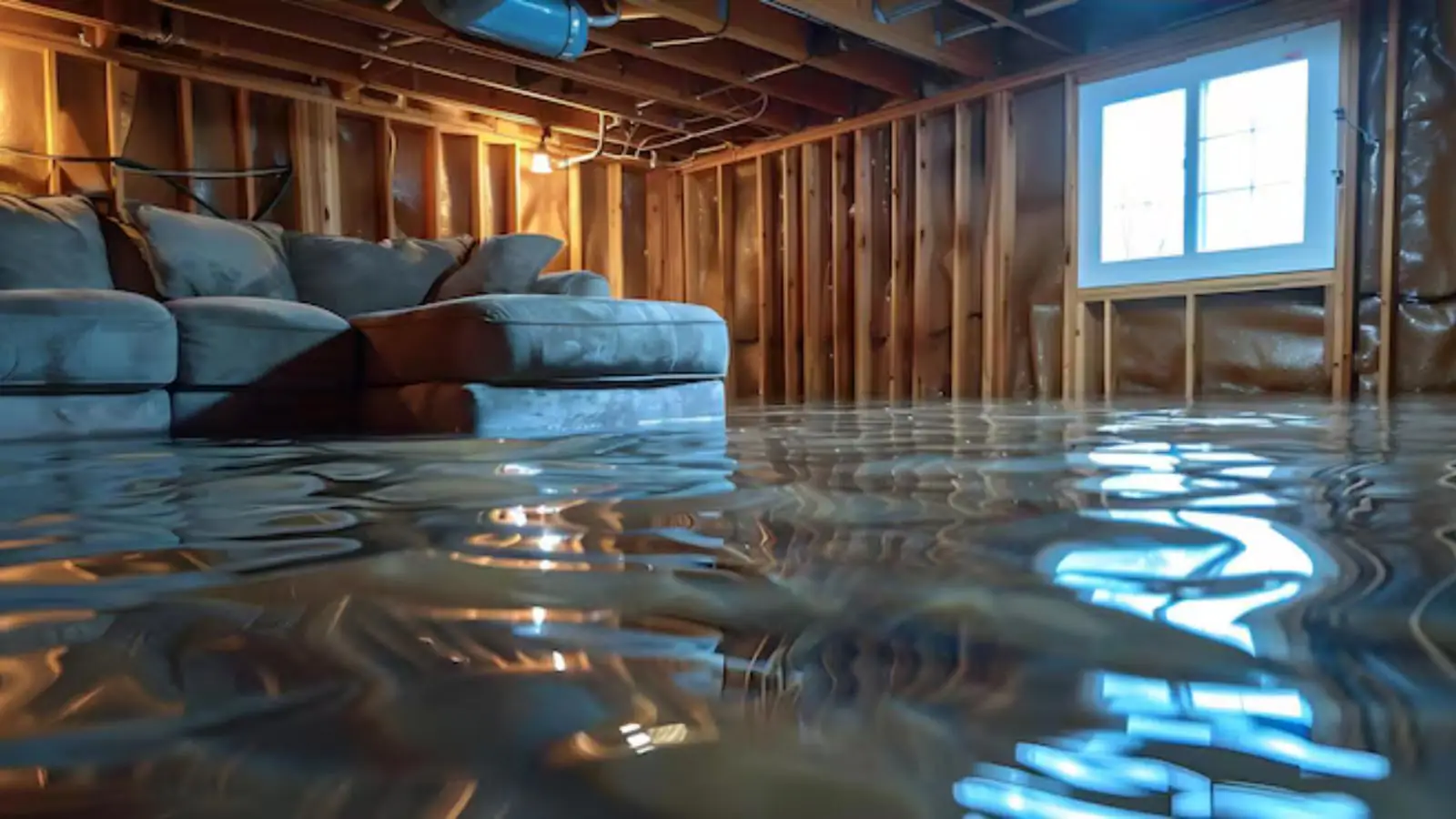
Emergency flood damage restoration covers water that comes from outside or from a contaminated source: storm runoff, groundwater, a failed main or a sewage backup. In Mission Hills, CA flooding is less common than a plumbing leak, but when it happens it is urgent, and the water is often Category 2 or 3. Call (818) 337-2642 and describe where the water entered.
Do not wade through floodwater or sewage. Stay out of rooms where water has touched electrical outlets, and call the utility or 911 for any electrical or gas risk before you call the restoration line. The emergency line is open 24/7, and a crew is sent the same day when one is available.
When flooding is an emergency
Water entering from outside
Runoff coming under a door or over a threshold carries soil and bacteria. It is treated as contaminated.
Backup from a floor drain
Sewage backing up through a drain, tub or toilet is Category 3 and a health hazard.
Water in a garage or low room
Water pools where the ground slopes into the home, and it can run into adjacent rooms within hours.
Water standing for days
Clean water becomes contaminated as it sits, so even a simple pipe loss can become a flood-class job.
Stay out of floodwater
Floodwater can hide electrical hazards and contaminants. Do not walk through it, do not run a household vacuum on it and keep children and pets away. If any electrical or gas risk exists, call the utility or 911 before calling us.
Why flood work is different
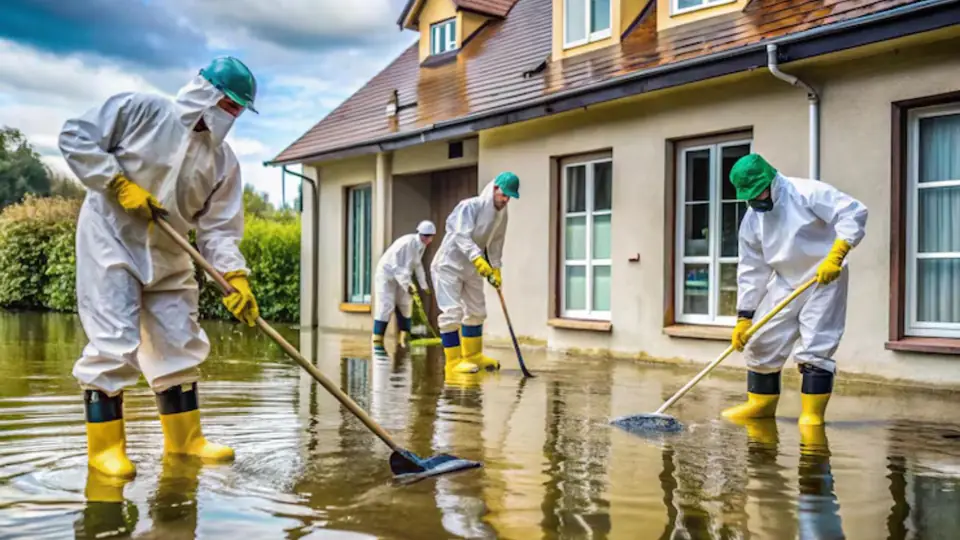
Under the ANSI/IICRC S500 standard, floodwater is typically Category 3, meaning it can carry sewage, soil and chemicals. Porous materials such as carpet, pad, insulation and low drywall are usually removed, not dried. Hard surfaces are cleaned, disinfected and then dried.
That means flood jobs involve more demolition than a clean-water leak, and they involve protective gear, containment and careful disposal. The goal is to remove what cannot be made safe and to dry and sanitize what can. The scope is written down before work starts so you can compare it with your insurance claim.
| Water source | Typical category | What usually happens to materials |
|---|---|---|
| Storm runoff entering a home | Category 3 | Carpet, pad and low drywall removed, hard surfaces sanitized |
| Groundwater seepage | Category 2 or 3 | Depends on contact time and materials, assessed with meters |
| Sewage backup | Category 3 | Porous materials removed, structure cleaned, disinfected and dried |
| Failed water main on your property | Category 1, then possibly 2 | Fast extraction and drying can save more material |
Flooding or a sewage backup?
Stay out of the water and call the 24/7 line. A dispatcher will explain the safe next steps.
Basement flooding cleanup
Basements are uncommon in many Valley neighborhoods, but where a home has one, or has a below-grade room or a converted garage, water collects there first. Cleanup starts with pumping, then removing wet drywall, carpet and stored items that cannot be dried. The space is then treated and dried with dehumidifiers and air movers.
If water keeps coming back through the foundation, that is a drainage or waterproofing problem and not a restoration problem. A restoration crew can dry and repair after a loss, but a waterproofing contractor addresses how water gets in. We will say so plainly if that is what your home needs.
Sewage backup cleanup
A sewage backup is a health hazard from the first minute. Stop using water in the house because every flush and drain sends more into the line. Then call us and, if the blockage may be in the city sewer, call the city as well.
Crews wear protective gear, extract the liquid, remove porous materials and disinfect hard surfaces. Contaminated carpet and pad are bagged and removed, and the area is dried and checked with meters. You should not sweep, mop or vacuum raw sewage yourself.
Flood exposure around Mission Hills
Flood risk differs from block to block, and the FEMA Flood Map Service Center is the place to check your address. Do not assume your risk from the neighborhood name, because the map is drawn by parcel. Standard homeowners insurance does not pay for flood, and the California Department of Insurance notes that flood coverage is available through the National Flood Insurance Program.
The Pacoima Wash and the dam and reservoir upstream, managed by Los Angeles County Public Works, are part of the area flood-control system. The county has said sediment has filled about 60% of the original reservoir capacity and has a sediment-removal project in environmental review. For what that means for a specific street, ask the county or the city rather than relying on a general statement. Nearby, the Pacoima page covers the wash in more detail.
What affects the cost of flood work
Water category
Category 3 work needs protective equipment and disposal.
Depth and duration
Deeper or longer-standing water spreads through more materials.
Amount of removal
More carpet, pad and drywall to remove means more labor and haul-off.
Drying and sanitizing
Dehumidifiers, air movers and treatment days add to the scope.
Flood damage is usually excluded from standard homeowners policies, so confirm what you have before the crew starts. Ask your insurer, and ask us to document the water level, materials and readings. To hear how the scope and price would be built, call (818) 337-2642.
Flood damage restoration questions
Do you handle flood damage restoration emergencies at night or on weekends in Mission Hills?
Yes. The emergency line is open around the clock, including weekends and holidays, and a crew is sent the same day when one is available. Tell the dispatcher whether sewage is involved.
Is flood damage covered by homeowners insurance?
Usually not. Standard homeowners policies typically exclude flood, which needs separate flood coverage. Check your policy and ask your insurer.
Is restoration the same as waterproofing a basement?
No. Restoration repairs damage after water gets in, while waterproofing aims to keep water out. If water returns through the foundation, you need a waterproofing or drainage contractor.
Can you clean up a sewage backup?
Yes, using protective gear and a Category 3 plan. Stay out of the water and do not try to clean it yourself.