
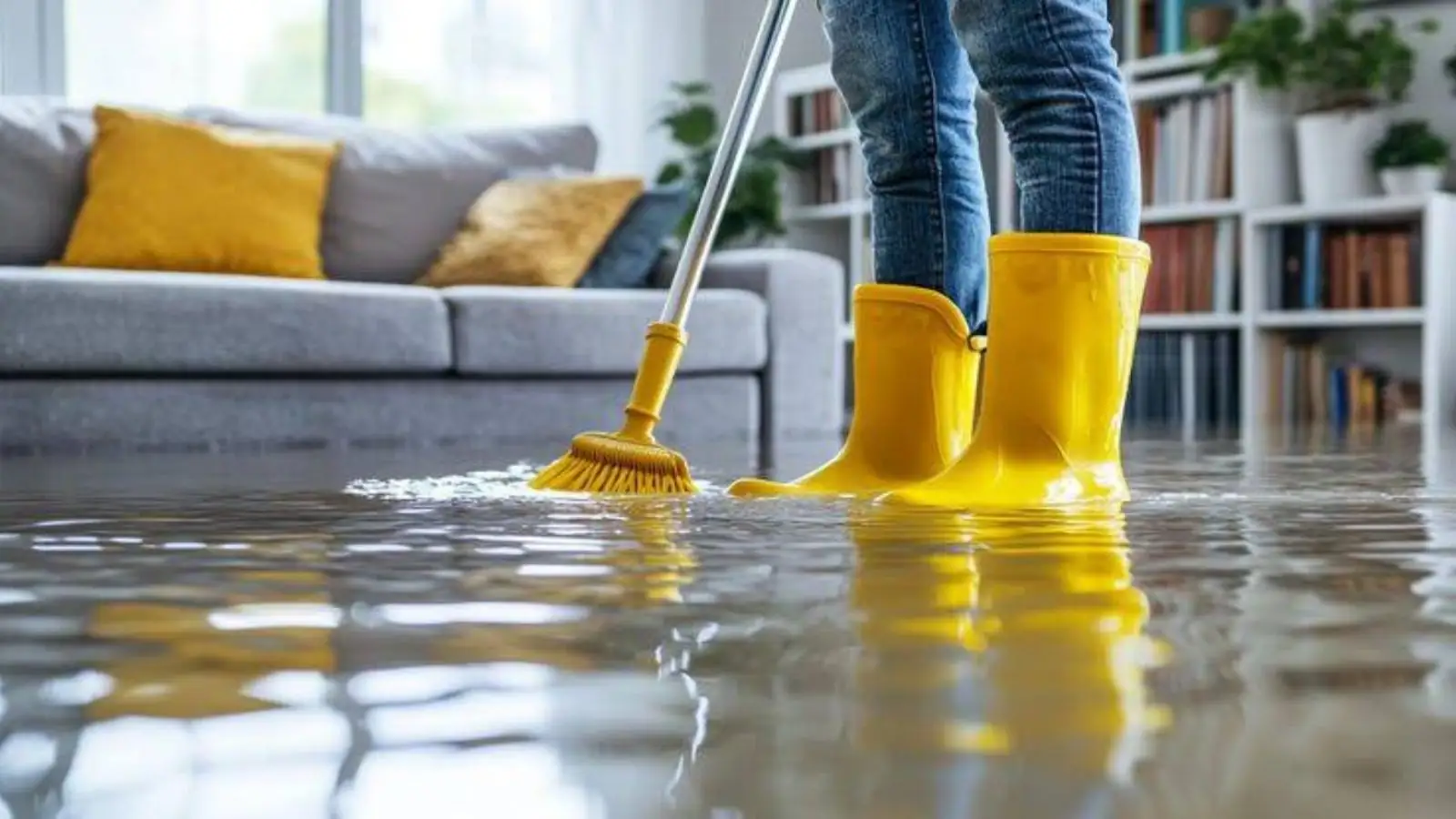
Emergency water damage cleanup is the removal of water, debris and soaked materials, plus the sanitizing that follows, and in Mission Hills, CA it matters most in the first 48 hours. When the source is stopped but the house is still wet and dirty, call (818) 337-2642. The 24/7 line sends a crew the same day when one is available.
While you wait, keep children and pets out of the affected rooms, lift valuables and wear gloves if you must touch wet items. Do not mix cleaning chemicals, and do not use household heaters to dry soaked rooms. If water touched outlets or the panel, stay out and call the utility or 911 first.
Cleanup in the first 48 hours
Wet materials are the real clock. Carpet pad, insulation and soaked cardboard hold water and break down fast. Removing them early limits odor, protects the framing underneath and reduces the chance of mold.
Wet carpet and pad
Pad is usually removed, and carpet is dried, cleaned or replaced depending on the water category.
Soaked drywall and insulation
These hold moisture against the framing. Removal opens the cavity so it can dry.
Contents and boxes
Cardboard, books and fabric are sorted into what can be dried and what cannot.
Debris and mud
Anything carried in by water is removed so surfaces can be cleaned.
What cleanup includes
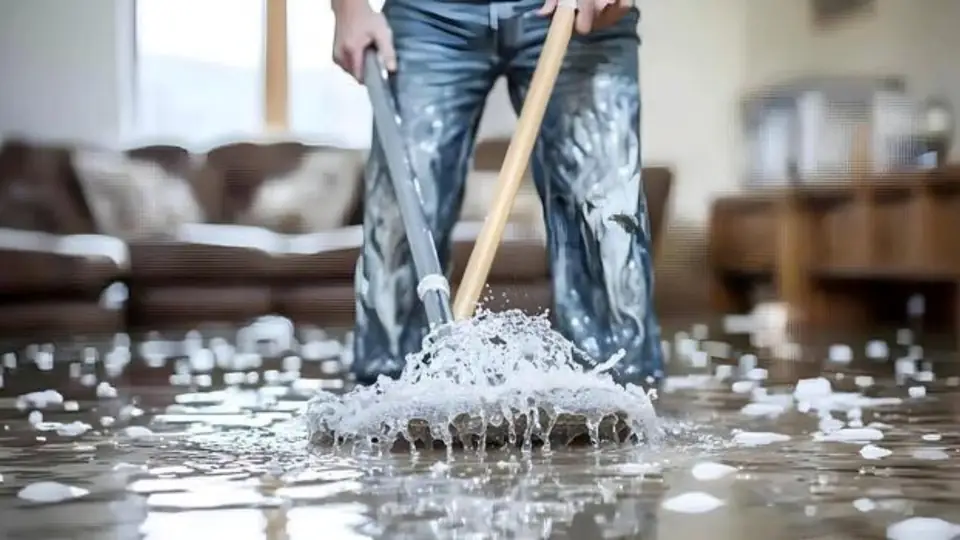
Cleanup crews remove wet materials, bag and haul away debris, clean hard surfaces with detergent and apply antimicrobial treatment where it is appropriate. They also treat odors and check moisture with meters before declaring an area ready. Cleanup is not the same as drying, so most jobs pair it with water mitigation.
Contents are handled carefully. Furniture that is only wet on the legs can be wiped, lifted and dried, while upholstered pieces that soaked up gray water may not be saved. A technician explains which items are worth saving and which are not before anything is thrown away.
| Item | Clean water | Contaminated water |
|---|---|---|
| Carpet | Often saved if dried quickly | Usually removed |
| Carpet pad | Often removed | Removed |
| Drywall | Dried in place if sound | Cut out above the water line |
| Hardwood | Dried with mats, may be saved | Often removed |
| Upholstery | May be cleaned and dried | Usually discarded |
Cleanup cannot wait on a wet house
Call the 24/7 line. Describe what is soaked and where the water came from.
Sanitizing and odor control
After wet material is gone, surfaces are cleaned and, where the water was contaminated, treated with an antimicrobial product. Sanitizing is about surface cleanliness and does not remove structural moisture. Odors usually come from wet material that was left too long, and removing that material is the real cure.
Air scrubbers fitted with HEPA filters can clean the air during demolition and treatment. Deodorizing without drying only hides a problem, and the smell returns when the humidity does. If a musty smell persists after cleanup, a moisture check is the next step, and mold may be the reason.
Cleanup in Mission Hills homes and shops
Mission Hills has family homes, apartments and busy commercial blocks along Sepulveda Boulevard. A restaurant or shop with a water loss has to clean quickly so it can reopen, while an apartment may involve shared walls and neighbors. Share those details when you call so the plan fits your property.
If you are a landlord or manager, document what happened, notify tenants and tell your insurer promptly. For the rebuild that follows cleanup, see water damage repair. Residents in Pacoima and Sylmar can also read their local pages, Pacoima and Sylmar.
What affects the cost of cleanup
Water category
Contaminated water requires more protective gear and disposal.
Volume of debris
More soaked material to remove and haul adds labor.
Contents
Sorting, cleaning and packing out belongings takes time.
Treatment
Antimicrobial treatment and air filtration add to the scope.
Cleanup after a sudden and accidental loss is often part of an insurance claim, while neglect and slow leaks are often excluded. Flood damage usually needs separate flood coverage. Check your policy, keep photos and receipts, and call (818) 337-2642 to hear how the scope and price would be built.
The published standard behind the work
The industry reference for water loss work is ANSI/IICRC S500, the Standard for Professional Water Damage Restoration. It describes water categories, drying goals and how to document readings. Citing it here is not a claim about any certificate. It simply gives you a published benchmark to ask a company about.
Water damage cleanup questions
Do you handle water damage cleanup emergencies at night or on weekends in Mission Hills?
Yes. The emergency line is open 24 hours a day, every day, and a crew is sent the same day when one is available. Tell the dispatcher what is soaked and whether the water was clean or contaminated.
Can I clean up water damage myself?
Small clean-water spills can be handled yourself. Larger losses, sewage and anything that has soaked into walls or floors need professional equipment and protection.
Why is carpet pad removed?
Pad acts like a sponge, holds water and is hard to dry. It is inexpensive to replace compared with the mold and odor risk of leaving it.
What happens to my belongings?
A technician sorts them into items to dry, clean or discard. You decide, and photos are taken for your insurer.